Top Paver Installation Services in Conway, SC: What Homeowners Need to Know
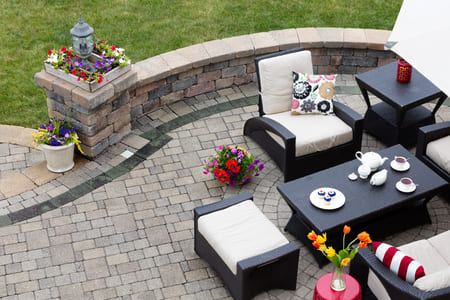
If you’re thinking about a patio, walkway, driveway, or pool deck, quality paver installation in Conway, SC should start with a plan that fits our coastal climate and sandy soils. To see how a professional team handles layout, base prep, and finishing, review our paver installation in Conway, SC overview and use this guide to make confident decisions for your home.
What Paver Installation Includes in Conway, SC
Great paver work is more than stacking stones in a pattern. It’s a full process that starts with site assessment and ends with a clean, level surface that drains well and holds up to heat, rain, and foot or vehicle traffic.
Site Assessment and Drainage Planning
Installers evaluate slope, soil, and water flow around your home. In Conway, brief but heavy summer storms and the Waccamaw River’s nearby floodplain mean your hardscape needs a base and edge system that moves water away from the surface. Drainage is not optional in Conway. Expect your contractor to discuss grading, base depth, and joints that won’t trap water.
Material Selection That Fits Your Space
Concrete pavers, clay brick, and natural stone each work well here when matched to the right use. Color, texture, thickness, and slip resistance matter, especially around pools or shaded areas where moisture lingers after afternoon showers.
- Concrete pavers: wide style choices, dependable strength, good for patios, walkways, and driveways
- Clay brick: classic Lowcountry look, strong color retention, ideal for walkways and patios
- Natural stone: premium appearance, unique variation, best for feature areas and upscale designs
Edges, Bedding Layer, and Joint Stabilization
Edge restraints lock everything in place. A compacted base and bedding layer support load and keep the surface even. Polymeric joint sand helps resist weeds and washout during summer downpours. Edge restraints prevent shifting and spreading.
Choosing the Right Paver Contractor Near You
Your project will last only as long as the team that builds it. Look for crews experienced with our soils, frequent rain, and occasional tropical systems. Ask about training, crew size, and how they protect nearby turf and beds during the work.
What To Ask Before You Book
- How will you handle drainage and edge restraints for my yard’s slope?
- What base depth and compaction steps do you recommend for this use?
- Which paver thickness fits my project, and why?
- How do you minimize dust and protect plants and irrigation lines?
- What maintenance should I plan for the first year?
Curious about our full approach from design to cleanup? Learn more about paver installation in Conway, SC and how Carolina Upkeep LLC plans projects that fit both your home and our local weather patterns.
Design Ideas That Fit Conway Homes
Conway’s historic downtown, riverfront views, and family neighborhoods near Coastal Carolina University inspire a range of looks. Patios with warm, sand-toned pavers blend well with brick homes and shaded backyards. Around pools, light colors help keep surfaces cooler under the afternoon sun. For front walkways, a subtle border in a contrasting color frames the entry and guides visitors to your door.
Driveways benefit from patterns that distribute load and add visual interest from the street. Herringbone or interlocking designs perform well for vehicles. Walkways near beds and turf look finished with soldier-course borders that protect edges from mower wheels.
Materials and Patterns That Stand Up to Coastal Weather
Materials need to handle heat, humidity, and sudden rain. Concrete pavers with textured surfaces improve traction after showers. Clay brick offers color that stands up to UV exposure. Natural stone adds character in small courtyards or seating nooks. For driveways, choose materials rated for vehicular traffic and pair them with a well-compacted base and tight jointing.
Patterns matter too. Herringbone locks together under turning tires. Basketweave and running bond are timeless for patios and walkways, especially on historic-style homes. Borders and inlays let you highlight grills, fire features, or garden edges without overwhelming the space.
Timeline: What To Expect From Start to Finish
Every yard is different, but most residential projects follow a similar flow. First comes layout and marking, then removal of grass or old concrete, then base buildout and compaction. After that, installers place pavers, set borders, sweep in joint sand, and compact again for a tight, even surface. Final steps include cleanup and a walkthrough so you understand care and use guidelines. Weather and material choices can extend timelines, especially during rainy weeks.
Maintenance That Keeps Your Pavers Looking New
Good maintenance is simple when the installation is right. Regular cleaning by a pro removes grit that can dull the surface over time. Joint stabilization helps block washout and reduces weed growth. Many homeowners ask about sealing. Sealing is about protection, not shine and the right product depends on location, surface texture, and how much sun your space gets.
Professional maintenance visits after the first season help spot minor settling, especially along edges near beds or downspouts. Addressing small issues early protects the base and keeps the surface even for years to come.
Local Factors Conway Homeowners Should Consider
Soils around Conway often include sandy layers that drain quickly but can shift without proper compaction. Areas near the Waccamaw River or low spots after heavy rain may need extra attention to grading and water paths. Shaded yards hold moisture longer, which can influence jointing choices and surface texture for slip resistance. Homeowners associations can have guidelines for colors or borders, so it’s smart to review your community rules during design.
Heat is another factor. Dark pavers absorb more sun and can feel warmer underfoot. Around pools or south-facing patios, consider lighter tones and textured surfaces for comfort and traction.
How a Professional Team Protects Your Yard
Experienced installers keep turf and beds in good shape during construction. That includes staging materials on boards, managing dust, and keeping travel paths tight. Irrigation lines and landscape lighting are flagged before excavation. When the project wraps up, you should expect a clean site, a tidy edge where hardscape meets lawn, and clear guidance on when to use the space.
Smart Choices That Boost Curb Appeal
Small design moves make a big difference from the street. A contrasting border on a front walkway frames the entry. A band across the driveway near the street can create a neat transition that looks intentional. On patios, a simple inlay under a dining set defines the zone without building walls.
Think about how the space will be used in different seasons. Spring gatherings, summer afternoons, and fall cookouts all call for comfortable circulation and room to move. Lighting, seating, and shade structures can layer in later if you start with a solid hardscape foundation now.
Why Base and Edges Matter Most
The base supports everything above it. In our region, that means careful excavation, compaction in thin lifts, and a bedding layer that keeps pavers seated. Edges transfer loads back into the base and hold patterns tight. Good crews also consider where downspouts discharge so water doesn’t undermine the work. When these parts are right, the visible surface stays even and attractive longer.
Sustainability and Water Awareness
Some homeowners explore permeable-style paver systems to help water soak into the ground. These systems can reduce puddling and support healthier nearby plants by keeping water on site. If you’re considering this option, discuss maintenance needs and whether your site is suitable based on soil and slope. The right design balances appearance, performance, and the way water moves across your property.
Ready To Upgrade Your Yard?
If you want a space that looks great and stands up to Conway’s heat and rain, partner with a team that plans for drainage, soil, and daily use. Explore how Carolina Upkeep LLC approaches paver installation in Conway, then call 843-421-8732 to talk through your goals and schedule a site visit.