Top Low-Maintenance Plants That Thrive in Coastal South Carolina
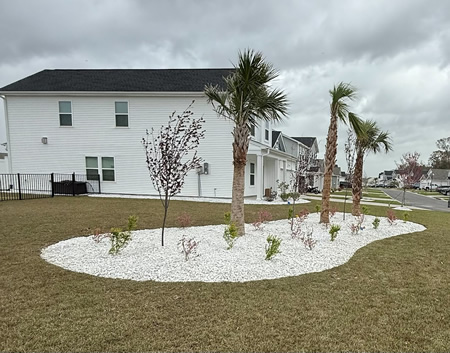
Coastal South Carolina gardens face a special mix of heat, humidity, sandy soil, and the occasional salty breeze. The right plant list makes your yard look great without constant attention. Below are reliable choices and simple design moves that fit Conway’s climate and neighborhoods, from Downtown to Red Hill and Carolina Forest.
If you want a clean, finished look without the weekend workload, our team can refresh your beds with professional rock and plant installation. And if you are comparing options for low maintenance plants in Conway SC, this guide will help you choose what lasts.
Why Low-Maintenance Plants Work In Conway SC
Conway sits a short drive from the Atlantic and gets long, warm summers with pop-up storms. Sandy soils drain fast, which helps during wet spells but can stress the wrong plants in July and August. Choosing heat-tough, salt-tolerant, and deep‑rooted varieties means fewer replacements and less time spent troubleshooting.
Well-chosen plants also pair nicely with tidy beds and crisp edges. That makes mowing cleaner, beds neater, and seasonal touch-ups quicker. In short, the right palette gives you curb appeal without constant care.
Evergreen Structure That Stands Up To Heat And Humidity
Strong “bones” keep the landscape looking finished even when flowers fade. These evergreen options are dependable in our coastal climate and create year‑round structure near porches, walks, and corners.
- Dwarf yaupon holly: Compact, natural shape, and good salt tolerance for exposed sites.
- Wax myrtle: Fast-growing screen for side yards where wind and salt can sting tender shrubs.
- Podocarpus (yew): Clean, narrow texture that stays neat by the entry or along garages.
- Indian hawthorn alternatives: Where disease pressure is high, consider pittosporum or dwarf holly options for similar form.
Choose plants for the sun pattern you actually have around the front door and driveway. Morning shade with hot afternoon sun calls for tougher picks than all‑day filtered light.
Color And Flowers Without The Fuss
You can enjoy seasonal color without turning your beds into a high‑maintenance hobby. Look for long bloom windows and proven heat tolerance. These favorites handle sandy soil when planted in the right spot and maintained by a pro.
- Lantana and black‑eyed Susan for bold summer color and pollinators.
- Salvia and coreopsis for steady blooms and clean, compact form.
- Daylilies for reliable, low‑care color along walks and mailbox beds.
- Hydrangea varieties for morning sun and afternoon shade near porches.
Avoid fast spreaders that overwhelm small beds near the drive or sidewalk. Fewer varieties in larger groups look better and cut upkeep.
Groundcovers And Ornamental Grasses For Sandy Soil
Groundcovers and grasses fill gaps, fight weeds, and hold the scene together through our hot, breezy summers. They also make edging and cleanup easier after storms.
Good fits include Asiatic jasmine for durable coverage, dwarf mondo for shaded strips, and trailing rosemary where full sun meets stone or pavers. For movement and fall color, muhly grass is a local favorite with airy pink plumes. If you are planning a front‑yard refresh, these choices pair nicely with the simple curb‑boosting ideas in our local read on conway landscaping ideas.
Salt‑Smart Choices Near Roads And Water
Plants along busy roads or open exposures can see windblown salt and heat bounce from pavement. Yaupon holly, wax myrtle, and certain junipers hold up well. In hot, reflective zones, flax lily and variegated coastal grasses add texture without constant trimming.
Salt and wind near busy roads can scorch tender foliage, so match plants to exposure. Tuck more sensitive bloomers closer to the house where structures cut the breeze and soften salt spray.
Design Moves That Cut Upkeep
You do not need a complicated plan to get a landscape that looks neat year‑round. Focus on clean edges, matched groundcover, and a few standout plants repeated with rhythm.
Stone or pine‑bark mulch in the right depth helps soil hold moisture and blocks weeds. For organic areas under trees, our mulch and pine straw installation keeps beds cool and tidy. Around entries and mailboxes, decorative rock reads crisp and pairs well with evergreens and drought‑tough herbs like rosemary and thyme.
Group plants by water needs to save time and water. A simple, well‑edged shape is faster to maintain than lots of tiny curves and islands.
Sample Plant Palettes For Popular Areas
Historic Downtown Conway
Classic brick and shaded streets look great with evergreen structure and calm color. Try dwarf yaupon borders, hydrangeas in morning sun, and a few pots of salvia for pops of bloom near the porch. A narrow band of river rock along the foundation keeps soil off brick and gives a neat finish.
Carolina Forest And Red Hill
For sunnier lots, build a simple backbone of podocarpus or wax myrtle near corners, lantana and coreopsis for summer color, and muhly grass for fall texture. A small accent palm near the walk adds height without heavy care. Keep the palette tight and repeat plants for a polished, neighborhood‑friendly look.
Aynor And Outlying Lots
Wider spaces love layered curves with plenty of groundcover. Asiatic jasmine under open trees, mixed with salvia and black‑eyed Susan drifts, creates a full, low‑care look. Use a few boulders or larger accent stones to anchor views from the road.
Rock Beds Or Mulch: Where Each Works Best
Rock shines near entries, driveways, mailboxes, and sunny foundation strips where a crisp, modern edge fits the home. It pairs nicely with dwarf evergreens, rosemary, and grasses that do not drop heavy leaf litter.
Mulch thrives under trees, in big front curves, and in mixed perennial beds that appreciate cooler soil and extra moisture. Many Conway homes combine both: rock for definition at the front walk, mulch for shaded beds, and a simple edge tying everything together. Ask Carolina Upkeep LLC to match stone size, color, and edging so the whole yard reads as one design.
Plants That Handle Drought And Downpours
Our summers swing from afternoon thunderstorms to hot, dry spells. The plants below are known for handling those shifts once established and maintained properly.
- Sun lovers: lantana, salvia, coreopsis, rosemary, muhly grass.
- Part‑shade picks: dwarf mondo, hydrangea (morning sun), pittosporum.
- Screening and structure: wax myrtle, yaupon holly, podocarpus.
With the right layout and bed prep handled by a pro, these choices keep their shape and color without constant intervention.
When To Plant In Coastal South Carolina
Fall through early spring is the sweet spot for planting in our area. Cooler air and steadier rainfall help roots settle before summer heat arrives. That means less stress on new shrubs, grasses, and perennials and a smoother first season in the ground.
Warm‑season projects can succeed too with careful planning, but scheduling outside peak heat often leads to stronger results. If your calendar is flexible, aim for cooler weeks so new plants establish faster and need less attention.
Make Your Yard Low‑Maintenance The Smart Way
A tidy landscape is not about more work. It is about better choices. If you want simple, lasting results, let Carolina Upkeep LLC design clean bed shapes, pick resilient plants, and finish everything with professional rock and plant installation. You will see a fast boost in curb appeal and a yard that fits our coastal climate.
Call 843-421-8732 to talk through your goals, or tap our team to map out a phased plan that fits your home and schedule. We will recommend the right evergreens, color, and groundcover for Conway’s heat, humidity, and sandy soil, then install it so you can enjoy the view instead of the chores.